History of Long Lake, Part 1
People have lived in what is now the Town of Long Lake for the past 12,000 years. Today, they live mostly in the hamlets of Long Lake and Raquette Lake. For most of our history, though, they have ranged across the town, fishing and hunting, growing crops in the clearings, cutting trees and floating them out the Raquette River, building and rowing boats, selling ice cream and Dodge trucks, buzzing around in motorboats, and just enjoying the woods and waters. Read on for a very brief look at our history.
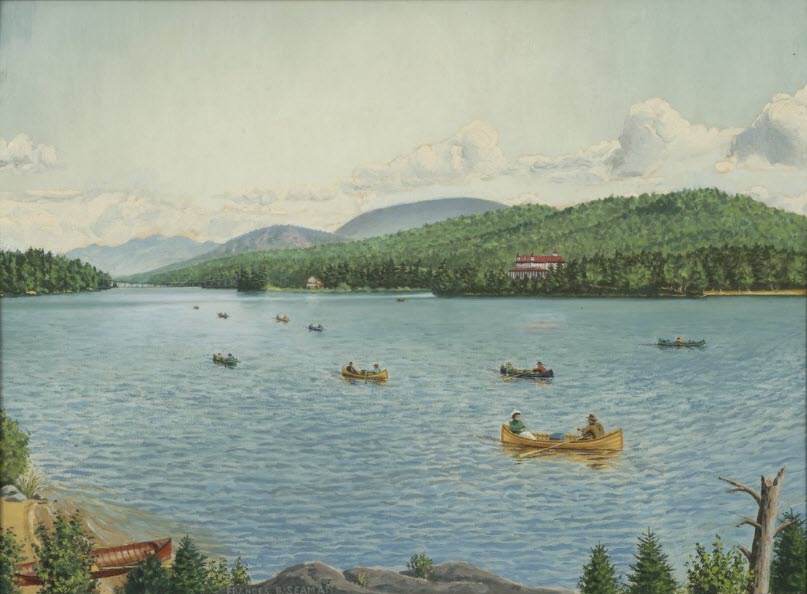
Millenia before European-Americans began exploring the Town, Iroquois and Algonquin people moved through and lived here. They sought game, fish, and berries—just as people do today. The easiest way to get around was by water. From Raquette Lake through Forked Lake and Long Lake the route was almost uninterrupted. A person with a lightweight boat to carry around rapids and through the forest could go all over the Town. Those early folk used bark canoes; much later settlers developed the Adirondack guideboat.
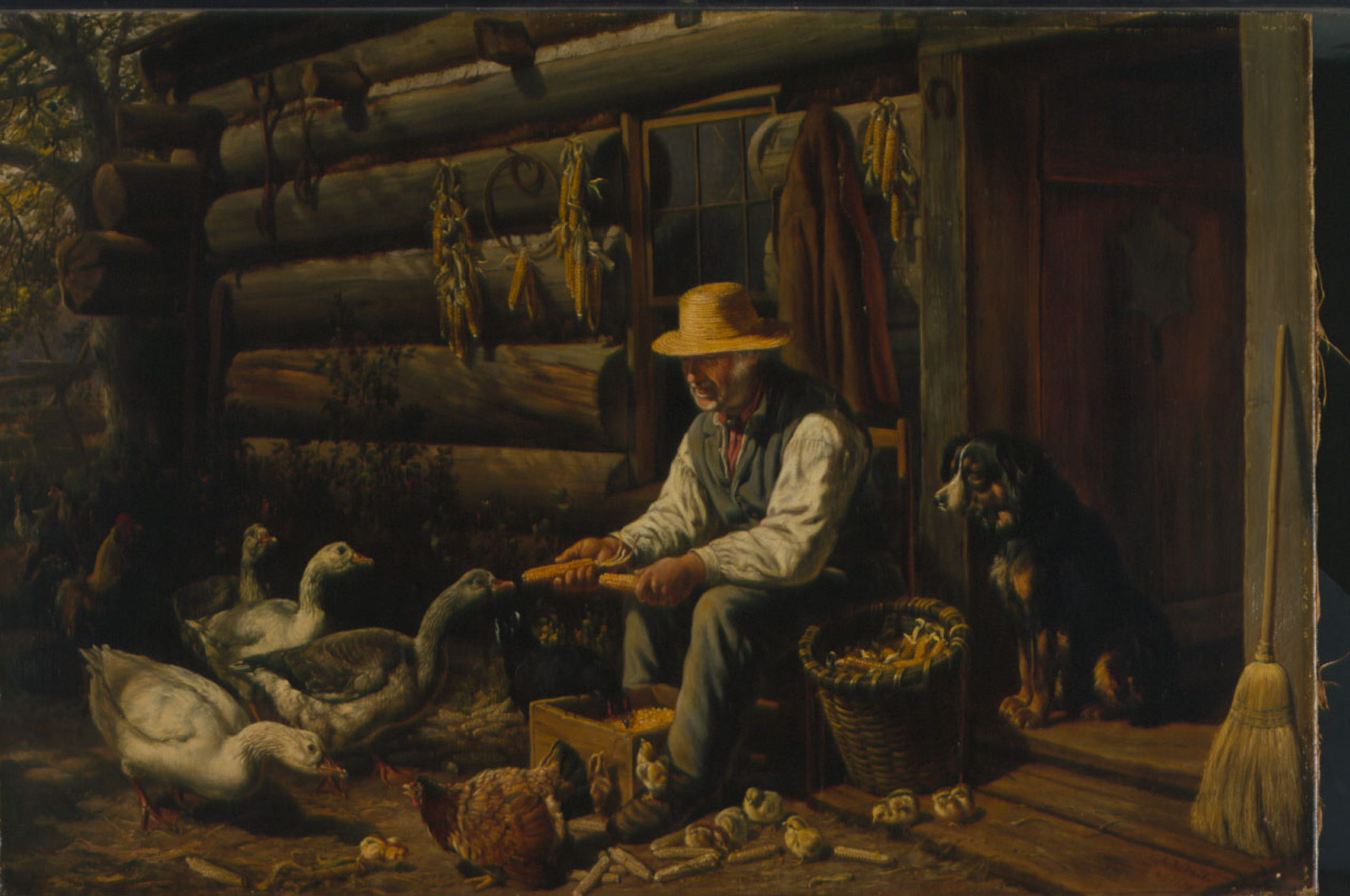
After the Revolutionary War, white hunters and trappers began using the woods and waters, learning the routes and game from the indigeneous people. Some began to build homes and establish families here by the 1840s. They also found paying work as lumbermen, sending the logs down the Raquette River to the sawmills.
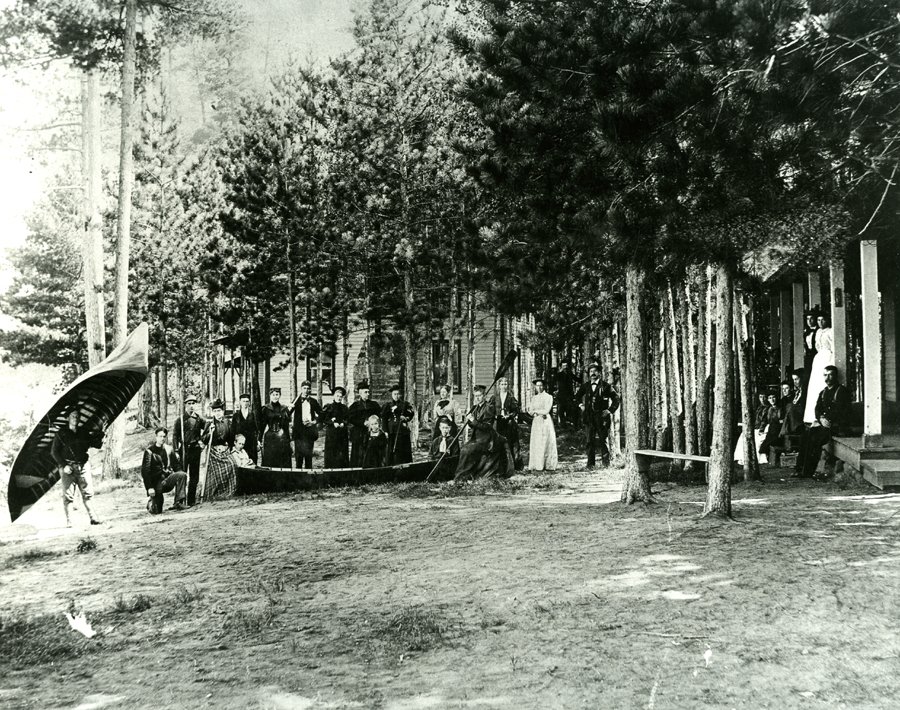
In the years just before the Civil War, white city folk began to hear of the Town with its clean air and prime sporting, and the tourist industry was born. Women opened their homes to the visitors, feeding them and lodging them in the spare bedroom or barn, and men guided them to good places to land a big trout or shoot a magnificent buck.
After the Civil War, the tourist business became big business. From the 250-guest Sagamore Hotel on Long Lake and the 200-guest Antlers on Raquette to small hotels scattered throughout the woods, local folks found work. There was even more work for men to work seasonally as guides or provide game and vegetables for the hotels. A few became known nationally as builders of the elegant guideboats seen on streams and lakes throughout the region. Others, mostly anonymous, created the rustic style, which was incorporated in seasonal homes large and small. Rustic mansions, known now as “great camps,” first appeared on Raquette Lake in the 1870s. The Town became connected to the wider world—first by people traveling the region’s major waterway, the Raquette River, of which the lakes are part.
In 1892, the same year the Adirondack Park was created, a mainline railroad ploughed through the region, with a stop in Sabattis for Long Lake. A spur from the main line was built right to the shore of Raquette Lake in 1900. It did not go to the village, which was on Long Point at the mouth of the Marion River, however, so that winter the townspeople moved most of the buildings across the ice to the railhead.